

 By
By Top 10 Extracurricular Programs for High School Students
When we look into the top extracurricular programs for high school studentsIndividuals enrolled in educational programs who are the primary beneficiaries of educational servic..., a few really shine based on their benefits and impact.
For instance, the Debate Club is great for honing critical thinkingThe ability to analyze facts to form a judgment; critical thinking is self-directed, self-discipline... and public speaking skills, which are essential in many aspects of life. Research indicates that participating in debate can improve communication skills and boost self-confidence.
Then there’s the Science Olympiad, which is all about teamwork and innovative problem-solving. According to educational studies, engaging in science competitions can enhance students’ understanding of scientific concepts and foster a collaborative spirit.
Joining Student Government can be a game-changer as well. It empowers students with leadership experience and teaches them about governance and civic responsibility. Many studies suggest that such involvement can lead to increased political engagement later in life.
Art and Design programs are fantastic for nurturing creativity. Engaging in the arts has been linked to improved academic performance and emotional well-being, as shown in various psychological studies.
Robotics Teams provide hands-on experience with technology, which is increasingly important in our digital world. Research shows that students involved in STEM (Science, Technology, Engineering, and Mathematics) activities are often better prepared for careers in those fields.
Sports Teams not only build discipline but also foster camaraderie among students. Reports suggest that participation in sports can improve physical health and teach valuable life skills such as teamwork and perseverance.
Music Programs have been shown to enhance memory and social engagement. Numerous studies highlight how learning an instrument can boost cognitive skills and improve social interactions.
The Yearbook Committee is another great option, as it allows students to capture their school spirit and develop skills in photography, writing, and design. This can be an enriching experience that promotes creativity and teamwork.
Lastly, Coding and Technology programs are more relevant than ever. With the rise of technology careers, these programs can open doors to future job opportunities and equip students with valuable skills for the modern workforce.
Each of these extracurricular activities contributes uniquely to personal growth and enhances the overall high school experience. There’s so much more to discover in this realm!
Key Takeaways
Sure! Here’s a modified version of the text based on the guidelines:
- Student Government: Getting involved in student government is a fantastic way to hone leadership skills and improve public speaking. Research shows that students who participate in these initiatives often feel more empowered and engaged in their communities. Plus, it’s a great opportunity to learn how to organize projects that can make a real difference in your school.
- Debate Club: Joining a debate club can really boost your critical thinking abilities and confidence in speaking. Studies have found that engaging in debates helps students articulate their thoughts more clearly and understand multiple perspectives on current events and societal issues. It’s not just about arguing; it’s about learning to communicate effectively.
- Community Service: Participating in community service not only addresses local needs but also fosters personal growth. According to research, students involved in service projects develop stronger teamwork skills and a deeper sense of civic responsibility. It’s a fulfilling way to connect with others and make an impact in your community.
- Art and Design Programs: Engaging in art and design programs can significantly enhance creativity and essential skills. Various studies highlight the therapeutic benefits of art, such as improved mental health and emotional expression. Whether it’s through painting, digital design, or art therapy, these programs allow students to explore their artistic talents while developing important life skills.
These extracurricular programs offer a wealth of benefits that extend far beyond the classroom, supporting personal development and preparing students for future challenges.
Debate Club

Joining the Debate Club is a fantastic way to enhance our critical thinking skills and build our confidence when speaking in front of an audience. Engaging in debates not only helps us develop essential techniques for crafting well-reasoned arguments but also provides us with a structured approach to presenting our ideas. According to studies on public speaking and debate, understanding the importance of structure, effectively using evidence, and anticipating counterarguments are crucial components of successful argumentation (source: Wikipedia).
As we practice regularly, public speaking becomes less daunting. Research shows that repeated exposure to speaking in front of others can significantly reduce anxiety and improve delivery (source: Psychology Today). Additionally, receiving constructive feedback from peers and coaches is invaluable in refining our presentation skills. This collaborative environment not only helps us grow as speakers but also teaches us to be better listeners, fostering respect for differing viewpoints.
Moreover, being part of the Debate Club gives us the opportunity to delve into current events and societal issues. This deeper engagement helps us gain broader perspectives, which is essential for meaningful conversations outside the club.
The skills we acquire through debate extend beyond the classroom and prepare us for future academic and professional endeavors. By embracing debate, we cultivate a sense of confidence that positively impacts various aspects of our lives.
Science Olympiad
In Science Olympiad, we really tap into our natural curiosity and creativity while honing vital skills like teamwork and problem-solving.
The competitive atmosphere of the team encourages us to strive for excellence, pushing us to dive deeper into scientific concepts.
Engaging in this event not only enhances our understanding of various scientific fields but also equips us with valuable experience that can benefit our academic and career journeys down the line.
It’s a fantastic way to see science in action and collaborate with others who share similar interests!
Skills Development Opportunities
Participating in the Science Olympiad offers a wealth of skills that go well beyond what we learn in the classroom. It’s a great platform for developing critical thinking, teamwork, and problem-solving skills that are crucial for success in the future. When we engage with complex scientific challenges, we not only sharpen our critical thinking but also enhance our creative expression. This process allows us to tackle problems from different perspectives, which is key to innovation. It really encourages brainstorming and pushes us to come up with unique solutions, helping us become more adaptable when we face unexpected challenges.
On top of that, we also learn valuable time management skills. Balancing multiple projects and deadlines teaches us how to prioritize tasks effectively, which is important not just in school, but also in professional environments.
Working as part of a team is another big aspect of the Olympiad. Collaborating with peers means sharing ideas and responsibilities as we strive towards common goals. This experience also helps us develop emotional intelligence as we learn to navigate the dynamics of group interactions.
Plus, being part of the Science Olympiad opens up fantastic networking opportunities. We get to connect with peers and mentors who share our enthusiasm for science, which can greatly enrich our learning experience. These connections can also provide insights into future academic and career paths.
All in all, the skills we acquire through the Science Olympiad not only prepare us for success in science but also equip us for any field we choose to pursue in the future.
Competitive Team Environment
The competitive team environment of the Science Olympiad really brings out a unique mix of collaboration and determination. It’s fascinating how facing rigorous scientific tasks can actually enhance our teamwork. While we’re all aiming for the top, we also learn to channel that competitive spirit into something that improves our overall dynamics as a team.
When we dive into various projects and events, we really sharpen several key skills:
- Effective Communication: Sharing ideas is crucial. It helps us refine our strategies and ensures that everyone is aligned, which is vital for success in any team setting.
- Problem-Solving Skills: Tackling complex scientific problems together is a huge part of the experience. It encourages us to think critically and creatively, often leading to innovative solutions that we mightn’t have come up with solo.
Ultimately, this experience teaches us that competition isn’t solely about winning. It’s about motivating each other to reach our fullest potential. The Science Olympiad prepares us for competitions, but it also equips us with the skills to be collaborative thinkers, ready to face the real-world challenges ahead.
It’s a wonderful blend of competition and cooperation that really shapes us for the future.
Student Government
In student government, we gain valuable leadership development opportunities that can really equip us for future challenges. Research shows that participation in student government can enhance skills like public speaking, teamwork, and critical thinking, which are all essential in various career paths.
Moreover, engaging with our community through initiatives is crucial. Studies indicate that student-led projects can foster collaboration and address local needs effectively. For instance, initiatives like community service or fundraising have been shown to not only help those in need but also to improve students’ sense of belonging and responsibility.
Leadership Development Opportunities
Student government serves as an engaging platform for high school students to enhance their leadership skills while playing an active role in shaping their school’s community and culture. By participating in this important extracurricular activity, students can develop essential qualities that are beneficial well beyond their high school years.
When we join student government, it’s not just about attending meetings or planning events; it’s also about taking part in mentorshipA personal developmental relationship in which a more experienced or more knowledgeable person helps... programs that promote peer leadership. These experiences enable us to work collaboratively with our classmates, understand diverse perspectives, and initiate projects that meet our school’s needs.
Let’s explore some key benefits of being involved in student government:
- Skill Development: Participation helps us build valuable skills such as public speaking, conflict resolution, and critical thinking. Research shows that engaging in leadership activities can improve communication skills and overall confidence (source: American Psychological Association).
- Networking Opportunities: Student government provides a chance to connect with faculty, administrators, and community leaders, which can broaden our understanding of how institutions work and the importance of community involvement (source: National Association of Student Councils).
Community Engagement Initiatives
Community engagement initiatives within student government are crucial for creating a sense of belonging and responsibility among high school students. These initiatives encourage us to participate actively not just in our schools but also in our local communities. By getting involved, we can address important issues like environmental awareness and cultural exchange.
For instance, student governments often organize events such as clean-up drives and tree-planting days. According to a report by the Environmental Protection Agency (EPA), community clean-up events can lead to significant improvements in local environments, promoting sustainability and eco-friendliness. When we come together for these activities, we not only enhance our school’s reputation as an eco-conscious institution, but we also learn the value of stewardship and build a deeper connection with our environment.
Additionally, cultural exchange programs organized by student governments play a vital role in celebrating diversity and promoting inclusivity. Events that showcase different cultures create opportunities for dialogue and understanding among students. Research from the American Psychological Association highlights that engaging with diverse perspectives can foster empathy and enhance social cohesion. By participating in these cultural initiatives, we enrich our high school experiences and broaden our views of the world.
Art and Design

Exploring various art and design programs can significantly enhance our creativity and equip us with essential skills that enrich our educational journey. Engaging in these programs not only provides an outlet for self-expression but also fosters collaboration and critical thinking abilities. Participating in these activities can lead to personal growth and a more profound understanding of artistic techniques.
For example, art therapy has been shown to have therapeutic benefits, promoting healing and self-reflection (source: American Art Therapy Association). Meanwhile, programs in digital illustration and graphic design are particularly relevant today, as they align with the demands of the modern job market (source: U.S. Bureau of Labor Statistics).
Additionally, creative writing and fashion design open doors to diverse avenues of expression, allowing us to explore different facets of our creativity.
Here are a few highlights of what we can gain from art and design extracurriculars:
- Photography Club: Here, we get hands-on experience learning about composition, lighting, and how to tell compelling stories through photographs. Studies indicate that photography can enhance observational skills and creativity (source: Psychology Today).
- Mural Projects: These collaborative efforts enable us to work together to create large-scale art that beautifies our community. According to research, public art can improve community engagement and pride (source: National Endowment for the Arts).
Engaging in art and design programs not only nurtures our creative spirit but also equips us with valuable skills for the future.
Robotics Team
Joining a Robotics Team is an exciting way to combine technical skills with creative problem-solving in a team setting. In this environment, we delve into the fascinating world of robotics, where we get hands-on experience designing, building, and programming robots to perform specific tasks. This kind of engagement not only hones our engineering and coding abilities but also boosts our critical thinking skills.
Participating in robotics competitions is particularly thrilling, as they serve as real-world tests for our creations. These events present unique challenges that require effective teamwork and collaboration. Each member of the team contributes their strengths—some may excel in programming, while others shine in mechanical design or project management. This diversity in skills emphasizes the importance of communication and adaptability, which are crucial in any professional field.
The competitive aspect also encourages us to think creatively under pressure. We learn valuable lessons about managing project timelines and resources, skills that will be beneficial in our future endeavors beyond high school.
Ultimately, being part of a Robotics Team not only sharpens our technical skills but also fosters our ability to work together effectively. It’s a rewarding experience that significantly shapes our educational journey and prepares us for the challenges ahead.
Community Service
Engaging in community service offers high school students an incredible opportunity to make a meaningful impact while developing essential life skills. Research has shown that volunteer work can significantly enhance personal growth and civic engagement among youth (National Conference on Citizenship, 2018). By participating in volunteer projects, we not only contribute to our communities but also deepen our understanding of social issues and cultivate a sense of responsibility. These experiences can lead to significant social impact, shaping us into more empathetic individuals.
Through community service, we can:
- Develop teamwork and leadership skills by collaborating with peers on various initiatives. Studies indicate that students who engage in group volunteering often report improvements in their ability to work with others (Journal of Youth and Adolescence, 2017).
- Gain valuable insights into local needs, which can inform our future career choices and civic engagement. Understanding the specific challenges faced by our communities can inspire us to pursue careers in fields like social work, education, or public health.
Moreover, community service encourages us to step outside our comfort zones. Whether we’re tutoring younger students, organizing food drives, or participating in environmental clean-ups, each volunteer project allows us to learn about different perspectives and challenges. This exposure not only broadens our horizons but also instills a sense of pride in our contributions.
Ultimately, community service is more than just fulfilling a requirement; it’s a transformative journey that enriches our lives and the lives of those around us. Engaging in these activities can lead to a lifelong commitment to civic responsibility and social justice, which is increasingly important in today’s interconnected world.
Sports Teams
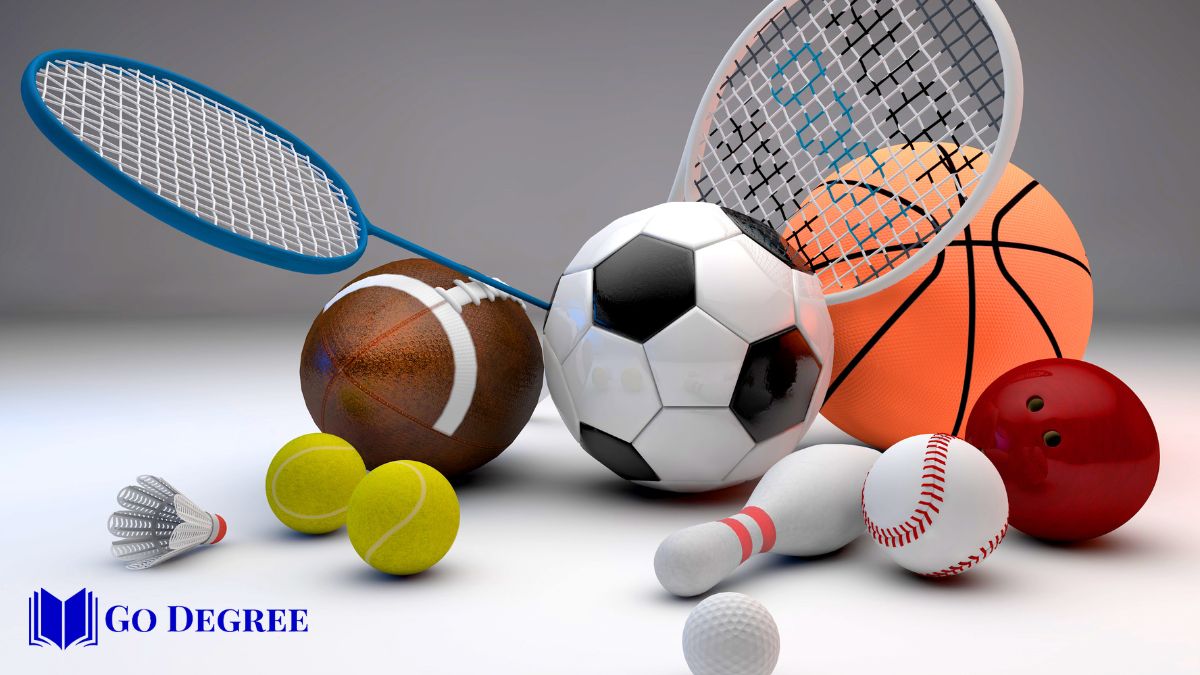
Joining a sports team goes beyond just playing a game; it’s a powerful way to enhance physical fitness and develop crucial life skills. Research shows that team sports can significantly improve social skills and emotional intelligence. When we participate in these activities, we’re not just running drills or scoring points; we’re learning to collaborate and communicate effectively with others. This camaraderie built among teammates fosters an environment of trust, which is vital for both personal and collective success.
Sports also teach us valuable lessons in sportsmanship. According to studies, engaging in competitive sports helps individuals learn to respect their opponents and handle wins and losses with grace. This kind of emotional resilience is beneficial not only in sports but also in everyday life. It prepares us to face setbacks and challenges with a positive mindset, which is essential in our personal and professional journeys.
Moreover, the commitment required for sports participation enhances our work ethic. Balancing practice schedules with academic responsibilities encourages effective time management. This discipline we develop on the field often translates directly into our academic and career pursuits. A study published in the Journal of Applied Sport Psychology highlights that athletes frequently exhibit higher levels of self-discipline and focus, which can lead to improved performance in various aspects of life.
Music Programs
When we look at music programs in high schools, the benefits for students are really impressive. Research has shown that engaging in music can enhance cognitive skills, such as memory and attention. A study published in the journal ‘Psychology of Music’ found that students involved in music programs often see improvements in their academic performance, particularly in subjects like math and reading.
But it’s not just about academics! These programs also foster creativity, allowing students to express themselves in unique ways. Whether they’re in a band, choir, or exploring digital music production, students gain valuable skills that can last a lifetime.
Moreover, participating in these diverse musical experiences helps create a sense of community within schools. According to a report by the National Association for Music Education, schools with robust music programs often have a more vibrant school culture, which can lead to increased student engagement and a stronger sense of belonging.
Benefits of Music Education
Music education provides students with a wealth of cognitive, emotional, and social benefits that significantly enrich their high school experience. Engaging in music programs not only deepens our understanding of musical concepts but also cultivates essential life skills. Research consistently indicates that participation in music education can lead to notable improvements in academic performance and cognitive functioning.
Let’s break down some of the key benefits:
- Cognitive Development: Studies show that learning music can enhance memory, attention, and critical thinking skills. According to a 2017 study published in the *Journal of Educational Psychology*, students involved in music education often perform better in subjects like math and reading, as music training can stimulate brain areas involved in these disciplines.
- Emotional Well-being: Music therapy has been widely recognized for its positive effects on emotional health. Techniques used in music therapy can help individuals express their feelings, manage stress, and improve self-esteem. A comprehensive review by the American Psychological Association highlights how engaging with music can lead to a healthier emotional state, which is crucial during the often tumultuous high school years.
Diverse Music Opportunities Available
With the numerous advantages of music education recognized in various studies, let’s dive into the wide range of music opportunities available for high school students, catering to different interests and talents.
Many programs focus on classical training, which lays down a robust foundation in music theory and instrument proficiency. This traditional route not only helps students develop their technical skills but also deepens their appreciation for the intricacies of various musical genres.
At the same time, we’re witnessing a surge in interest in contemporary music styles. Students today have the chance to immerse themselves in modern genres, with performance opportunities available at school concerts and local competitions. These events provide a platform for students to shine and showcase their abilities to an audience.
Moreover, ensemble experiences, like participating in orchestras and bands, promote teamwork and collaboration, enriching the overall musical journey.
Additionally, many programs now incorporate music composition and songwriting workshops, giving students the chance to unleash their creativity. The rise of music technology has also been transformative, introducing students to modern tools used in music production and expanding their skill sets.
Importantly, many initiatives celebrate cultural diversity, encouraging students to explore music from various backgrounds. This not only broadens their musical repertoire but also enhances their understanding of global cultures.
Through these diverse opportunities, we’re nurturing well-rounded musicians who are prepared to thrive in any musical landscape.
Yearbook Committee
The Yearbook Committee plays an essential role in documenting and preserving the unique memories and experiences of our high school journey. By working together with fellow students and faculty, we create a lasting tribute that captures the spirit and achievements of our school community. Our process begins with brainstorming yearbook themes that resonate with our peers, ensuring that the final product is both engaging and memorable.
During the photo selection phase, we carefully curate images that showcase various aspects of our school life, from academic successes to extracurricular activities. This meticulous attention to detail allows us to weave a well-rounded narrative of our year, reflecting the diverse experiences of our classmates.
Some key tasks we focus on include:
- Conceptualizing yearbook themes that highlight our school’s unique culture.
- Organizing photo selection to capture significant moments and milestones.
Being part of the Yearbook Committee not only allows us to enhance our creative skills but also fosters a sense of community among us. We take great pride in our work, knowing that the yearbook will become a cherished keepsake for future generations, encapsulating the essence of our high school experience.
After all, yearbooks are more than just a collection of photos—they are a reflection of our collective journey, filled with laughter, friendships, and unforgettable moments.
Coding and Technology
As we dive into the creative energy of the Yearbook Committee, it’s important to highlight the role of coding and technology in shaping our future and enhancing our skill sets. Engaging in coding programs can really open up a world of possibilities. For instance, fields like game development and mobile programming allow us to transform our ideas into actual products that can entertain and solve problems.
When it comes to web design, we not only learn how to create visually appealing sites but also how to build user-friendly platforms that enhance the user experience. Software engineering, on the other hand, gives us invaluable problem-solving skills that are crucial in today’s tech-centric society. Plus, participating in coding competitions can push our limits and encourage collaboration and innovative thinking.
Let’s not forget about the importance of understanding artificial intelligence and cybersecurity. As our world becomes more digital, being aware of these topics is essential. For example, a 2021 report from McKinsey highlights the growing demand for AI skills in the workforce, which indicates just how relevant these subjects are.
Participating in tech entrepreneurship initiatives can also be a great way to explore how we can turn our tech ideas into viable businesses, further bridging the gap between creativity and practical application.
Frequently Asked Questions
How Can I Balance Extracurriculars With Academic Responsibilities?
Balancing extracurricular activities with academic responsibilities is definitely a challenge many students face, but it can be effectively managed through good time management. Research suggests that students who utilize structured schedules and set achievable goals tend to experience lower stress levels and improved performance in both areas (American Psychological Association).
One practical approach is to create a weekly planner where you allocate specific time blocks for studying and for extracurricular activities. This not only helps in visualizing your commitments but also ensures that you have dedicated time for both your studies and your passions. According to a study published in the Journal of Educational Psychology, students who engage in extracurricular activities often report higher levels of academic achievement, provided they manage their time well.
Additionally, it’s important to prioritize your responsibilities. Identify which tasks are most urgent or have the highest impact on your academic success, and focus on those first. This method aligns with the Eisenhower Matrix, which helps in categorizing tasks based on urgency and importance.
Remember that it’s okay to reassess your commitments. If you find yourself overwhelmed, it might be worth considering scaling back on some extracurriculars to ensure your academic performance doesn’t suffer. Balancing both can lead to a more fulfilling and well-rounded educational experience, but it requires intentional planning and self-awareness.
Are There Any Costs Associated With Joining These Programs?
When looking into the costs of joining various programs, it’s important to keep in mind that many do come with associated fees. However, many organizations offer fundraising opportunities, which can help alleviate some of these costs and make it easier for participants to get involved. For example, community sports leagues often have sponsorship options or fundraisers that can significantly lower fees for families. So, let’s dive into these fundraising avenues together and see what options might be available!
How Do I Choose the Right Extracurricular for My Interests?
When it comes to choosing the right extracurricular activity, it’s important to think about what you’re genuinely passionate about and how those interests can help you grow your skills. According to research published in educational journals, engaging in activities that align with your interests not only boosts motivation but can also lead to better academic performance and personal satisfaction.
Exploring a variety of options is a great way to find what truly resonates with you. For instance, if you’re interested in science, joining a science club or participating in science fairs can help you develop critical thinking and problem-solving skills. On the other hand, if you’re drawn to the arts, participating in drama or music can enhance creativity and collaboration skills.
In essence, by experimenting with different activities, you can discover what you enjoy most and what enhances your abilities. It’s all about finding that sweet spot where your passions and skill development meet!
Can I Participate in Multiple Programs Simultaneously?
Yes, participating in multiple programs at the same time is definitely possible, but it hinges on effective time management and a solid grasp of what each program entails. According to studies on multitasking, such as those published in the Journal of Experimental Psychology, our ability to focus can diminish when we juggle several tasks, making organization and prioritization crucial.
When managed well, balancing various interests can actually enhance our experiences. For instance, individuals involved in extracurricular activities while studying often report improved time management skills and a greater sense of fulfillment. So, if you’re organized and focused, diving into multiple programs can be quite enriching!
What Skills Can I Gain From These Extracurricular Activities?
Extracurricular activities can really help us develop a variety of invaluable skills, and there’s plenty of evidence to back this up. For instance, participating in team sports or clubs often fosters leadership and teamwork skills. According to a study published in the Journal of Educational Psychology, students who engage in such activities tend to have better collaboration and communication abilities.
When we step outside of our comfort zones through diverse experiences, we not only learn to work well with others but also build confidence. The American Psychological Association has highlighted that these experiences contribute significantly to personal and professional growth. So whether it’s through debate club, theater, or sports, the skills we gain can be essential for our future endeavors.
Conclusion
Engaging in top extracurricular programs can significantly enrich the high school experience, and there’s a wealth of evidence to support this.
For instance, research has shown that participation in activities like debate, robotics, or art can improve critical thinking, teamwork, and creativity—skills that are essential not just in school but also in future careers.
Debate programs, for example, have been linked to enhanced public speaking skills and improved ability to analyze complex topics. Similarly, getting involved in robotics can foster technical skills and problem-solving abilities, which are increasingly valuable in today’s tech-driven world. On the creative side, art programs encourage self-expression and can boost emotional intelligence.
These activities do more than just look good on a resume; they also provide opportunities to form lasting friendships and explore personal passions. According to studies published in various educational journals, students who participate in extracurricular activities tend to have better academic performance and higher self-esteem.
So, when we choose to get involved, we’re not merely filling our schedules; we’re actively shaping our futures and developing skills that will benefit us in many aspects of life.
It’s pretty remarkable how each experience contributes to our growth, both personally and professionally!