
 By
3 Best Tips for Flexible Learning Environments
To create effective flexible learning environmentsSpaces and educational models that adapt to the needs of all learners, including those with disabili..., it all starts with understanding the needs of learners. Research shows that using surveys and interviews can be a great way to gather insights about students’ backgrounds and preferences. This personalized approach helps educators tailor their methods to better suit each individual.
Next up, incorporating diverse resources—like videos, podcastsDigital audio files made available on the internet for downloading to a computer or mobile device, c..., and interactive content—can significantly enhance engagement. Studies indicate that different people have varying learning stylesThe preferred way in which individuals absorb, process, comprehend, and retain information, such as ..., and mixing up the types of materials can cater to these differences, making learning more effective for everyone.
Lastly, promoting collaborative learningAn approach to education that involves groups of learners working together to solve a problem, compl... through group activities and peer feedback is essential. This not only encourages teamwork but also fosters critical thinkingThe ability to analyze facts to form a judgment; critical thinking is self-directed, self-discipline... skills. Many educators have found that when studentsIndividuals enrolled in educational programs who are the primary beneficiaries of educational servic... work together, they learn from one another and develop stronger problem-solving abilities.
By integrating these strategies, we can create a more inclusive and adaptive learning experience. And there’s definitely more to explore when it comes to implementing these tips effectively and making the most out of our learning environments!
Key Takeaways
Here are some tips for creating flexible learning environments that are backed by research and best practices:
- Assess Learner Needs: Surveys and interviews are powerful tools for understanding the specific needs and preferences of your learners. Research indicates that tailoring teaching methods to meet these needs can significantly enhance student engagement and learning outcomes (Source: Edutopia).
- Diverse Multimedia Resources: Incorporating a variety of multimedia resources—like videos, podcasts, and interactive simulations—can cater to different learning styles, such as visual, auditory, and kinesthetic. Studies show that using diverse formats can improve information retention and comprehension (Source: Journal of Educational Psychology).
- Collaborative Learning: Encouraging group activities not only fosters teamwork but also enhances communication skills. According to the Cooperative LearningAn educational approach where students work together to accomplish shared goals, enhancing individua... Theory, working in groups can lead to better problem-solving abilities and deeper understanding of the material (Source: Educational Psychology Review).
- Learning Management Systems (LMS): Utilizing LMS can streamline access to educational materials and facilitate resource sharing. Research highlights that effective use of these systems can improve organizational skills and increase student satisfaction by providing a central hub for learning (Source: Online Learning Journal).
By implementing these strategies based on evidence and research, you can create a dynamic and flexible learning environment that meets the diverse needs of your learners.
Assess Learner Needs
To create a flexible learning approach that truly meets the needs of our learners, it’s crucial to assess their unique backgrounds, preferences, and goals. This initial assessment serves as a cornerstone for understanding what motivates each individual. By using a variety of assessment tools, we can gather important insights that reveal individual learning styles and preferences.
A practical way to start is by implementing surveys or questionnaires that delve into learners’ previous experiences, favored learning methods, and specific objectives. Research has shown that this kind of data analysis can help identify common patterns, which can directly inform our instructional strategies (source: educational research articles).
Additionally, incorporating interviews or focus groups allows learners to articulate their needs more freely, giving us richer qualitative data to work with.
Using these assessment tools not only deepens our understanding of our learners but also contributes to a more supportive learning environment. When we tailor our teaching methods to align with learners’ preferences, we not only boost engagement but also enhance motivation.
This targeted approach ultimately leads to a flexible learning experience that adapts to each learner’s specific context, resulting in better outcomes and a more effective educational journey for everyone involved.
In essence, by leaning on empirical evidence and real-world practices, we can ensure that our flexible learning strategies are well-informed and responsive to the diverse needs of our learners.
Incorporate Diverse Resources
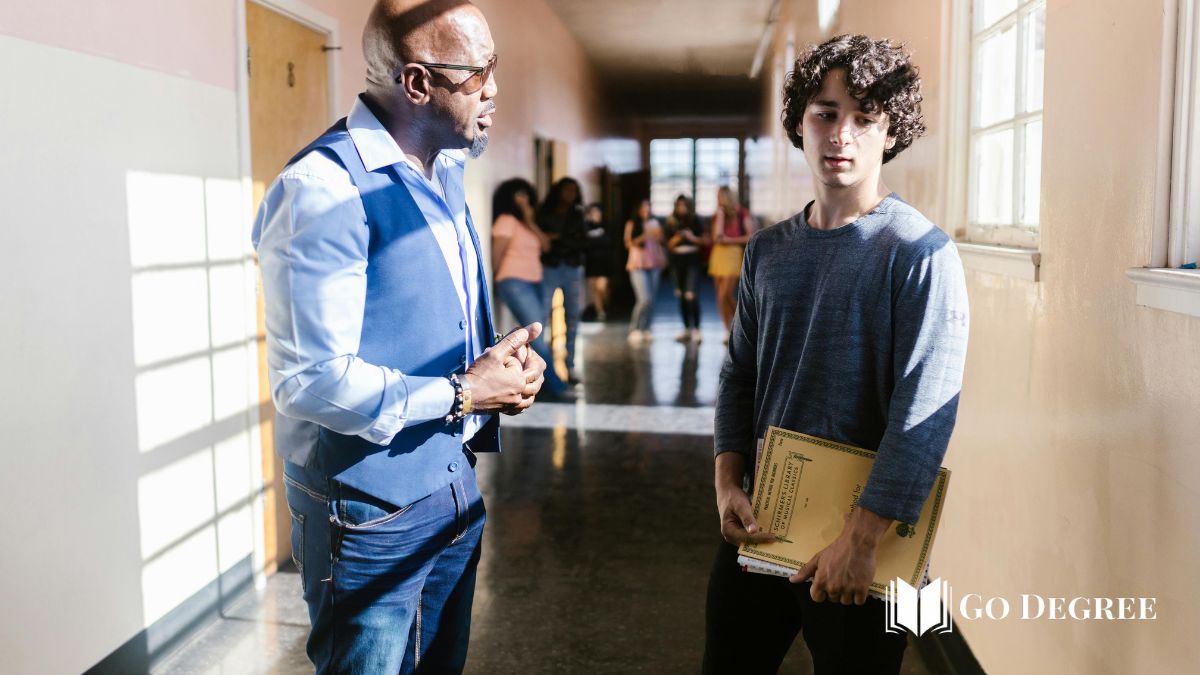
How can we effectively incorporate diverse resources to enrich our flexible learning environment and cater to the varied needs of our learners?
By leveraging a mix of multimedia tools and online platforms, we can create a rich tapestry of learning experiences that engage and motivate students.
First off, let’s talk about multimedia tools. Research shows that different types of media can enhance understanding and retention (Mayer, 2009). For instance, using videos can help explain complex concepts visually, while podcasts can provide narrative-driven content that resonates with auditory learners. Interactive simulationsDigital simulations that allow users to interact with an artificial environment for the purpose of l... are also a fantastic way to engage students, allowing them to experiment and explore in a hands-on manner. This approach aligns well with the Universal Design for Learning (UDL)A framework to improve and optimize teaching and learning for all people based on scientific insight... principles, which advocate for presenting information in multiple formats to support various learning styles (CAST, 2018).
Next, consider the power of online platforms. Learning management systems (LMS) like Canvas or Moodle provide access to a plethora of resources, from scholarly articles to dynamic educational games. These platforms can also facilitate collaboration among students, encouraging peer interaction and discussion. Integrating content from reputable sources, such as peer-reviewed journals or established educational websites, ensures that learners receive accurate and valuable information. For instance, platforms like Khan Academy and Coursera offer high-quality courses that can supplement traditional learning.
Overall, by combining these diverse resources, we can create a more inclusive and engaging learning environment that meets the diverse needs of all our learners.
This approach not only enhances the educational experience but also prepares students for a world that increasingly values adaptability and diverse skill sets.
Foster Collaborative Learning
Fostering collaborative learning is more than just a buzzword; it’s backed by research showing that it significantly boosts student engagement and instills vital teamwork skills that are essential in our increasingly interconnected world.
When we implement group activities, we create a space where students can come together, exchange ideas, and collaboratively develop solutions. These interactions not only enhance their sense of community but also celebrate diverse perspectives, which is crucial for a well-rounded education.
In flexible learning environments, it’s important to design activities that encourage peer feedback. Studies have shown that this practice not only helps students refine their understanding but also enhances critical thinking and the ability to give and receive constructive criticism.
When students evaluate each other’s work, they learn to appreciate different viewpoints and sharpen their communication skills, which are vital in any career path.
We can also take advantage of technology to boost collaboration. Various online platforms allow students to connect, share resources, and give real-time feedback no matter where they’re physically located.
By assigning specific roles within group activities, we ensure that everyone participates and takes ownership of their learning journey, which can lead to improved outcomes.
Ultimately, prioritizing collaborative learning equips students with the skills they need to face future challenges. By promoting teamwork and encouraging peer feedback, we create an environment where learning isn’t just an individual journey but a collective endeavor.
Adopting these strategies can significantly enhance our flexible learning spaces, making them more effective and inclusive. Let’s embrace this approach together!
Frequently Asked Questions
What Technology Tools Are Essential for Flexible Learning Environments?
When it comes to flexible learning environments, several technology tools are considered essential based on research and expert opinions. For instance, platforms designed for virtual collaboration—like Zoom, Microsoft Teams, and Google Meet—enable real-time communication and interaction among students and educators, regardless of location. These platforms have become increasingly important, especially during the COVID-19 pandemic, when many institutions shifted to remote learning (source: Wikipedia).
Additionally, software that supports adaptive learning, such as DreamBox, Khan Academy, and Smart Sparrow, allows educators to personalize the learning experience for each student. These tools use data analytics to assess individual progress and adapt content accordingly, making learning more effective (source: Bing). Research indicates that adaptive learning can significantly enhance student engagement and retention by catering to diverse learning styles and paces (source: major media outlets).
How Can I Assess the Effectiveness of My Flexible Learning Strategies?
To effectively assess our flexible learning strategies, we can implement a systematic approach that includes gathering student feedback on a regular basis and analyzing learning outcomes through various metrics. Research shows that student feedback is crucial for understanding their experiences and identifying what works well and what doesn’t (see studies on student-centered learningAn approach to education focusing on the needs of the students, rather than those of others involved...).
What Are Common Challenges in Implementing Flexible Learning Environments?
Implementing flexible learning environments comes with its fair share of challenges, especially when it comes to resource allocation and faculty training. For instance, a study published in the Journal of Educational Technology found that inadequate funding often leads to limited access to essential tools and technologies, which can severely impact the learning experience. This can create a cycle where educators feel ill-equipped to adapt to new teaching methods.
Additionally, faculty training is crucial for the successful implementation of these environments. Research indicates that teachers who receive ongoing professional development are more effective in integrating flexible learning strategies into their classrooms (source: Edutopia). However, many institutions struggle to provide this training due to time constraints and budget limitations.
Given these challenges, it’s important for educational institutions to reassess their strategies. Exploring innovative solutions, such as leveraging online resources for professional development or collaborating with other institutions to share resources, can help bridge the gap. Ultimately, addressing these challenges can lead to more effective, flexible learning environments that benefit both educators and students.
How Do I Ensure Inclusivity in a Flexible Learning Setup?
To ensure inclusivity in a flexible learning setup, we can lean on well-established principles like Universal Design for Learning (UDL) and Adaptive Learning strategies. UDL is rooted in the idea that a one-size-fits-all approach to education doesn’t work for everyone. According to research, implementing UDL can significantly improve learning outcomes for students with diverse backgrounds and abilities (CAST, 2018).
Adaptive Learning, on the other hand, uses technology to personalize the educational experience based on individual progress and needs. This method has been shown to enhance engagement and motivation, as it allows learners to work at their own pace (Chen et al., 2018). By combining these strategies, we can create a learning environment that not only accommodates various learning styles but also fosters a sense of belonging and support among all participants. It’s all about making sure that everyone feels valued and has the opportunity to succeed.
What Are Best Practices for Maintaining Student Engagement in Flexible Learning?
To keep students engaged in flexible learning environments, it’s crucial to incorporate interactive activities that promote student autonomy. Research has shown that when learners are given choices in how they approach their studies, they tend to be more enthusiastic and develop a stronger connection to the material. According to a study published in the *Journal of Educational Psychology*, providing opportunities for students to select their learning paths can lead to increased motivation and performance.
Additionally, engaging students through active participation not only makes the learning process more enjoyable but also enhances the retention of information. A report from the University of Illinois found that students who engage in hands-on activities or collaborative projects are more likely to retain what they’ve learned compared to those who passively consume information.
Conclusion
To wrap things up, when we take the time to assess what learners really need, mix in a variety of resources, and encourage teamwork, we’re setting the stage for a flexible learning environment that meets everyone’s needs.
Research shows that such strategies not only boost engagement but also lead to a more profound understanding of the subject matter (source: Edutopia).
As we adapt our teaching methods, we can more effectively support each individual’s unique educational journey, making sure that everyone has the chance to excel in their studies.
By embracing these tips, we can create a learning atmosphere that isn’t only dynamic but also inclusive for all participants. This approach has been backed by numerous studies emphasizing the importance of adaptability in education (source: Journal of Educational Psychology).
So, let’s keep these principles in mind to enhance the learning experience for everyone involved!